
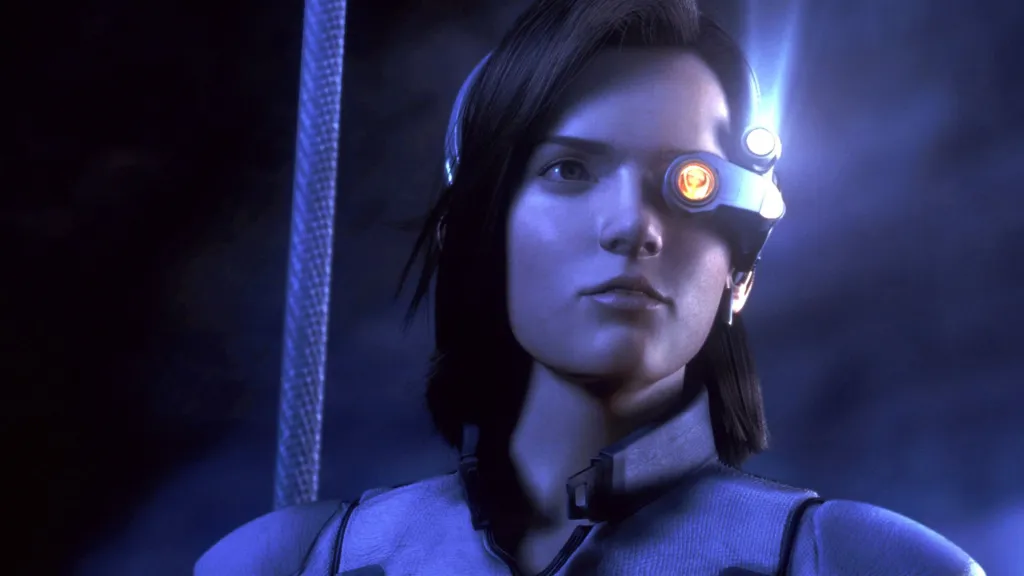
Sometimes when I look at the American animation industry I think about my hopes for what it could be in the future as well as fantasize about what it probably never will be. For example, I hope one day that family-friendly films and wacky comedies (many of which, don’t get me wrong, I absolutely love) are not the only types of animated films that Hollywood studios rely on at the box office and that we can have more variety such as animated dramas, animated horror and animated experimental films. On the other hand, I know how mainstream audiences think and I know how hard it is to sell the idea of animated films that tell serious and complex stories to people.
This is possibly why animated science fiction has often had bad luck at the box office, although I think it can be just as hard for storytellers to navigate the sci-fi genre within the framework of an animated feature film. Not to say that it can’t work sometimes. Chris Sanders seems to have cracked the code by making Lilo & Stitch and The Wild Robot focus more on heart than action, and Brad Bird knows how to balance seriousness with fun really well in both The Iron Giant and The Incredibles. But the more otherworldly your story becomes, the more you tend to lose people. Unless you can hook viewers with interesting characters, which is something that films like Titan A.E., Treasure Planet, Strange World and Elio have often failed to do.
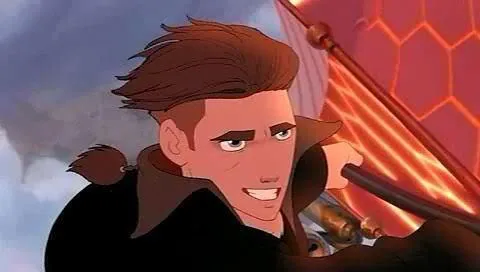
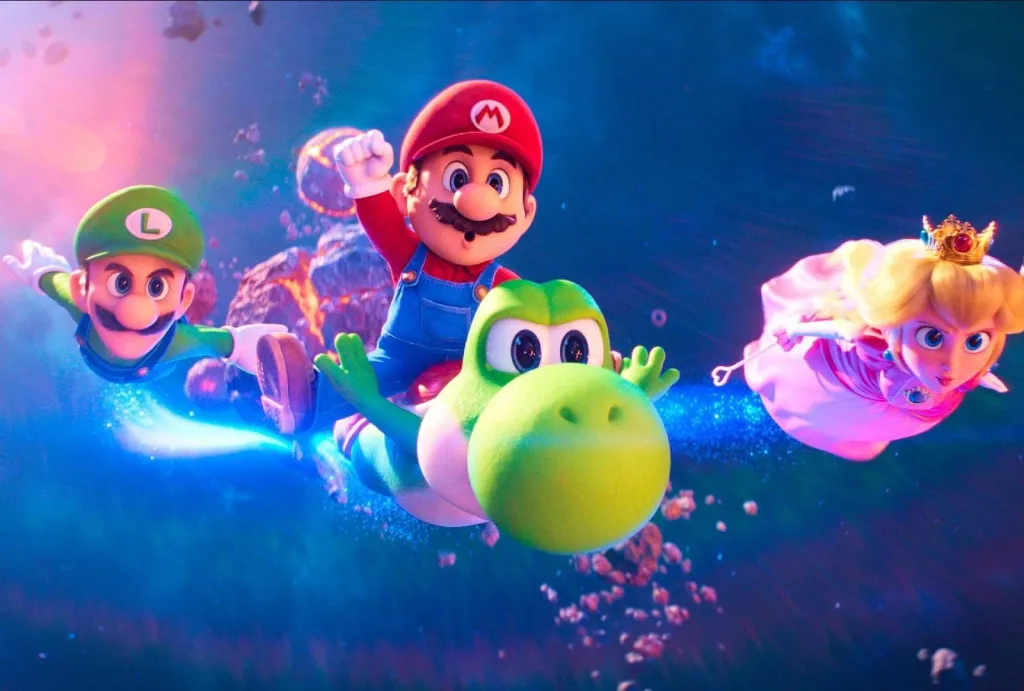
It’s easy to see why Hollywood executives looked at the profits of both movies like Beauty and the Beast, The Lion King and Toy Story and movies like Star Wars, Aliens and The Matrix and thought an animated sci-fi film was a no-brainer of a possible commercial hit. But rather than just the stigma towards animation versus live action being at fault, I think the difficulty that sometimes even producers and story editors have trying to nail sci-fi, especially sci-fi dramas, is often sorely underestimated. Sci-fi is an interesting genre because by its nature it forces writers to be creative to some degree. But I also think it’s really easy for dramatic sci-fi writers to delve too much into lore at the expense of deep characterization, overcomplicate the narrative, focus too much on action and heavy stakes, and honestly put audiences to sleep. Even The Super Mario Galaxy Movie earned a billion dollars despite negative reviews because it was at least fun, energetic and narratively digestible.
And while we’re on the subject of films based on video games, do you know what film was the exact opposite of The Super Mario Galaxy Movie in terms of its tone, narrative complexity, faithfulness to the source material and commercial success? That would be Final Fantasy: The Spirits Within. A movie based on Square’s series of role-playing games that became one of the biggest cautionary tales in animation history and one that also embodies all the pitfalls I mentioned that come from making an animated sci-fi drama.
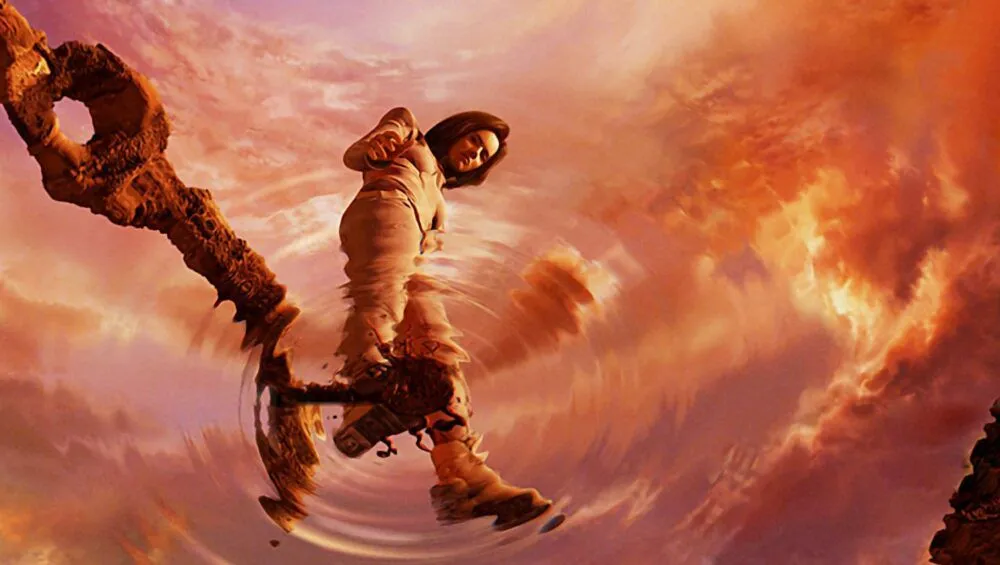
A Japanese-American collaboration between Square Pictures and Columbia Pictures, one of the most wild things about The Spirits Within‘s failure was how legendary the film’s pedigree was. Final Fantasy video game creator Hironobu Sakaguchi not only produced and directed the film but he is the one who came up with the story, originally titled Gaia, named after the planetary life source of the Final Fantasy universe. Meanwhile Apollo 13 screenwriter Al Reinert and future I, Robot co-writer Jeff Vintar devised the screenplay and Columbia head Chris Lee produced it. The vision from everyone involved was ambitious, as was the elaborate computer-generated motion-capture-aided visuals. The photorealistic CGI in this film was by far the most impressive thing about it at the time. And approximately 200 people brought this film to life over a period of four years to make it look that way.
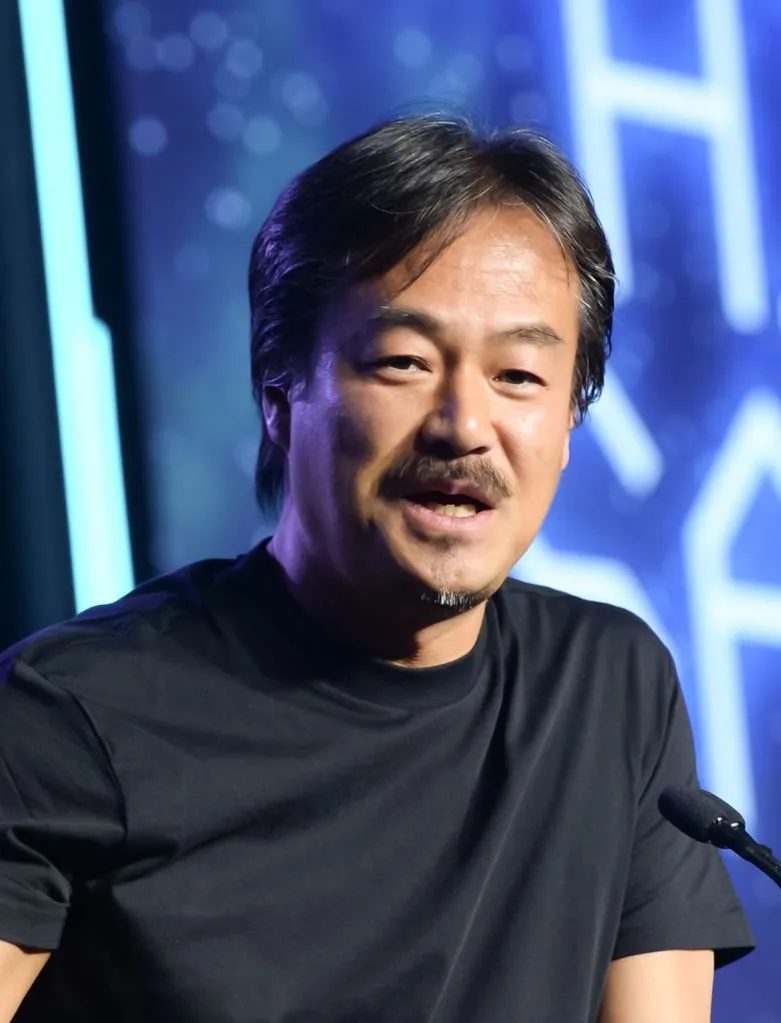
Sakaguchi never intended for The Spirits Within to be a video game when he conceived of it, nor did he want a tie-in game, because he knew the graphics could not measure up to those in the movie. The decision to have the movie take place on a post-apocalyptic Earth in 2065 and introduce new characters outside of existing Final Fantasy lore was also a sign that Sakaguchi wanted this project to be its own thing, although the story was similar to many Final Fantasy games, which often centered on a team of heroes with clashing personalities coming together to prevent a life-shattering, world-destroying threat followed by a renewed gratitude and respect for mother nature that comes in the aftermath of the final battle. Of course this leaned less into the high fantasy of a lot of those games and more into futuristic sci-fi, which the PlayStation games were already beginning to lean more into during this period anyway, with the dieselpunk masterpiece Final Fantasy VII being the most famous example of that.
In this movie’s story, Earth in 2065 is being infested by alien creatures called Phantoms who consume the Gaia spirit of earthlings, leading mankind to build cities protected by Phantom blocking energy shields and leading to an ongoing struggle to free the planet from the alien invasion. The film’s lead character Aki, voiced by Ming-Na Wen (ER, Mulan) was inspired by and named after Sakaguchi’s mother, who died some years before he wrote this movie. An event that inadvertently inspired Sakaguchi to contemplate the idea of what happens to human spirits after they die. An effort was made by lead animator Roy Sato to make Aki less of a typical supermodel action hero and more realistic and grounded in appearance and personality.

From there the story leads to a ruined New York City, a squad of wise-cracking soldiers, a Phantom infection, a search for a cure for a Phantom infection, a romantic side plot and, of course, a hard-headed jerk who takes things too far and endangers everyone’s lives. Alongside Ming-Na Wen, the voice cast included Donald Sutherland as Aki’s mentor Dr. Sid, Alec Baldwin as Aki’s love interest Captain Gray Edwards and James Woods as the scheming General Douglas Hein who is determined to destroy the Phantoms using a dangerous device called the Zeus cannon, while Ving Rhames, Steve Buscemi and Peri Gilpin rounded out the cast as the soldiers of Deep Eyes. The great soundtrack written by Elliot Goldenthal and composed by the London Symphony Orchestra also helped convey the sci-fi story’s epic quality nicely.
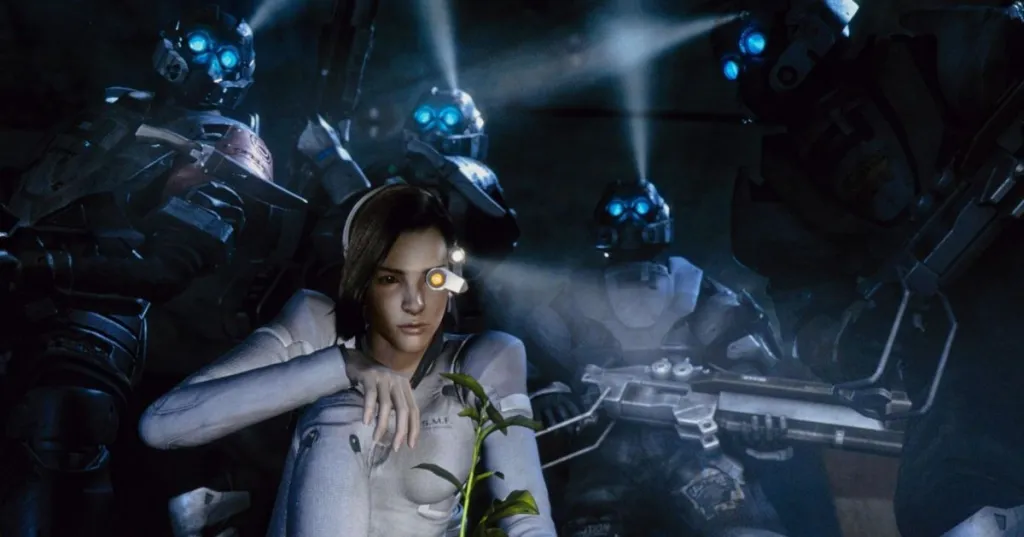
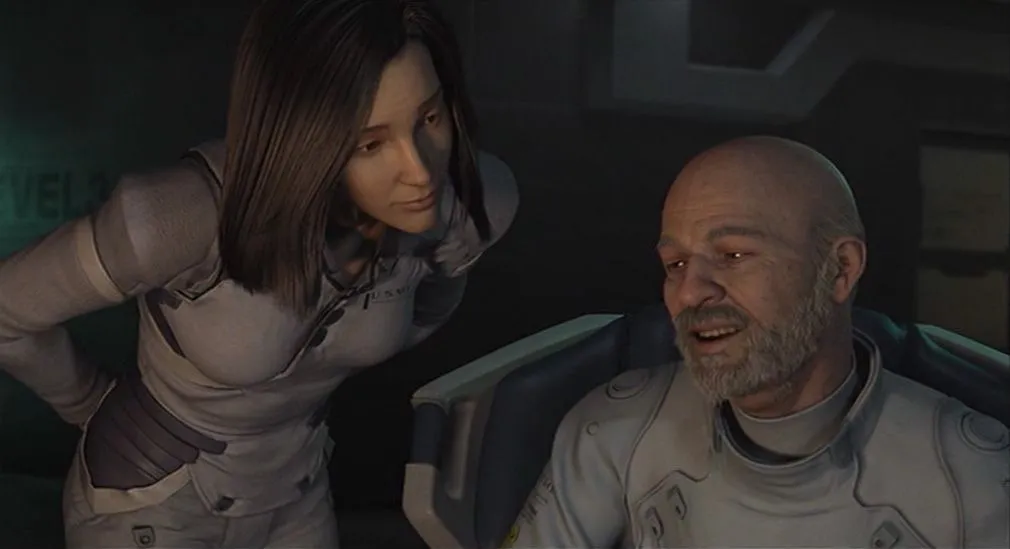
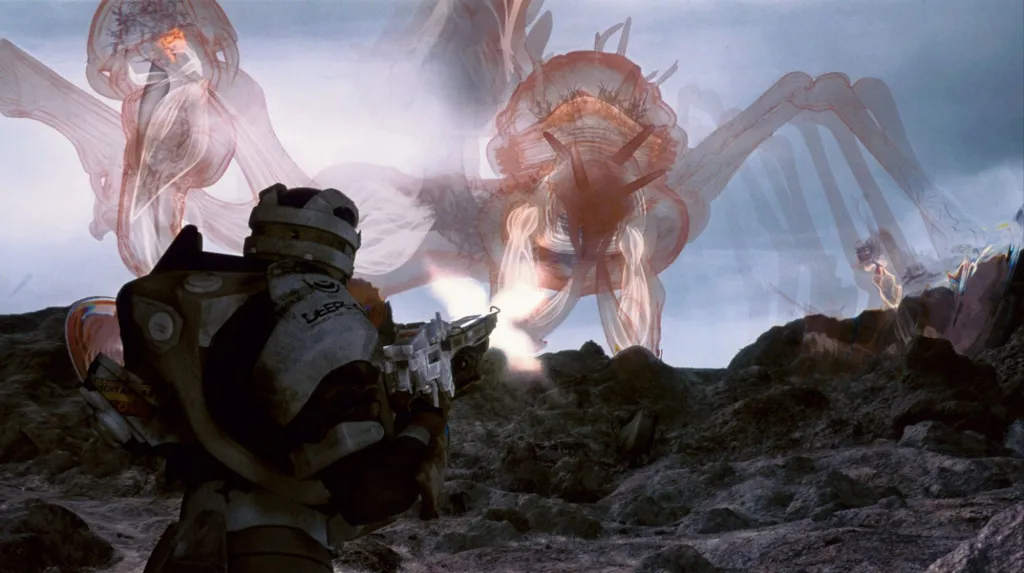
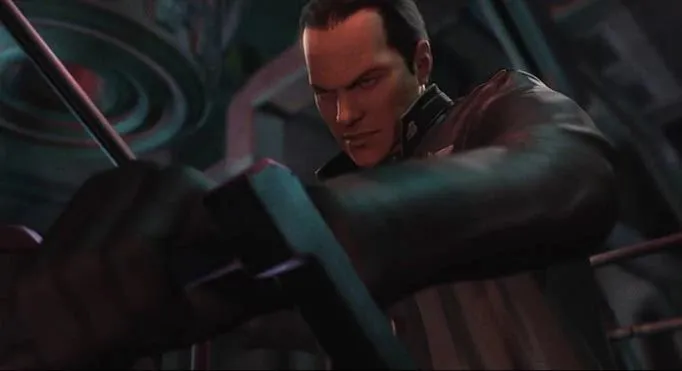
The only problem with all this, according to critics and audiences, was that the movie was boring. Never mind how this story has every trope in the book. This is one of those films that feel like an unfinished idea rather than a fully formed film, which is partly why it bombed, although the inflated budget didn’t help. Ballooning from $70 million to $137 million, it ended up only grossing $85 million worldwide, and that $137 million budget went not just to the elaborate CGI but also the star-studded voice talent, the marketing and the construction of the Hawaiian studio Square needed for their team to complete production. And even then, the character animation doesn’t always entirely escape the uncanny valley.
I think the reason why this film bombed was a combination of things. My guess for the most common reasons are the mediocre writing and the confusing plot, but I don’t think it helped that it managed to alienate both non-Final Fantasy fans and Final Fantasy fans who would have rather seen characters like Cloud and Sephiroth on the big screen than a cast of characters they have never heard of. Perhaps putting “Final Fantasy” in the movie’s title was a way to lure in Final Fantasy fans, but all that really did was make people disappointed in addition to being bored.
The film’s failure bankrupted Square Pictures (1997-2002) and delayed the merger of Square and Enix before the commercial success of Kingdom Hearts helped put Square back on the right track financially. Had The Spirits Within been more successful, the film’s main character Aki likely would have appeared in future films and possibly future video games. By all accounts she also would have become the mascot of Square Pictures. There was even an effort by Square to treat Aki like a real actress with plans to have her appear in multiple films and play multiple roles. That obviously didn’t happen but she did have kind of a moment in the early 2000s, being called an “It Girl” by Entertainment Weekly and being ranked one of the sexiest women of 2001 by Maxim.
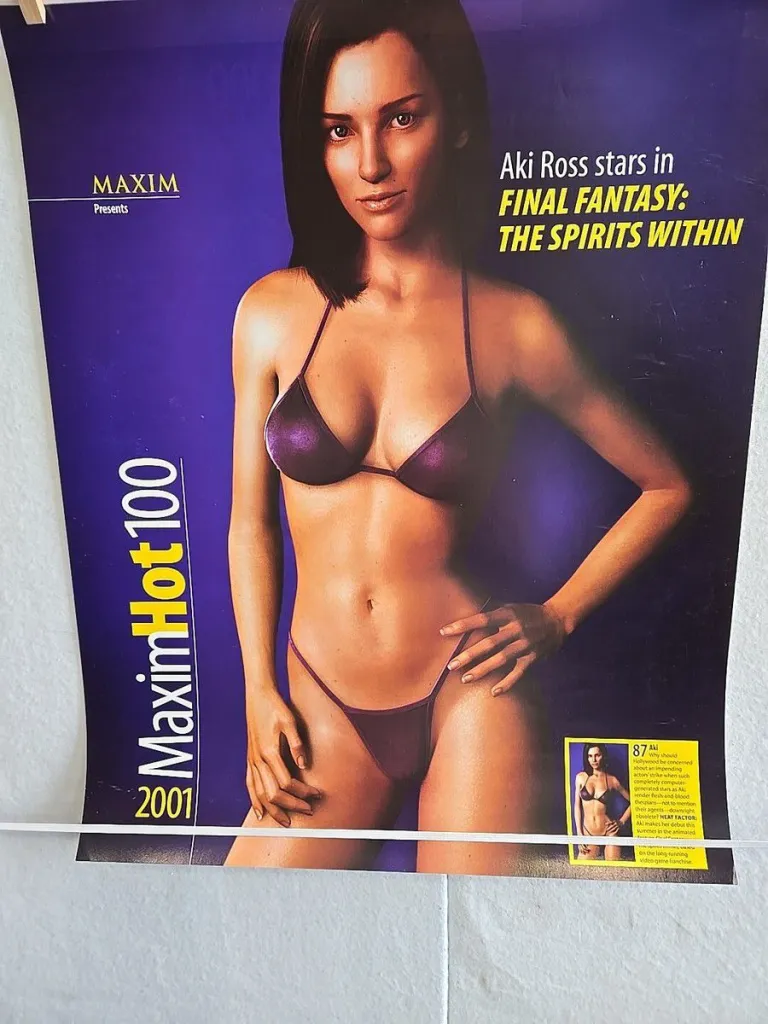

But all this manufactured publicity, beautiful CGI and elaborate presentation couldn’t help the actual movie penetrate the zeitgeist. And the fact that 2001 saw the failure of this movie and Atlantis: The Lost Empire while witnessing the success of Shrek and Monsters, Inc. only further cemented the second-class citizenship of serious sci-fi in the world of Hollywood animation. Of course Hollywood always takes the wrong lessons from box office failures and looks past the obvious. Shrek‘s success and The Spirits Within’s failure doesn’t necessarily prove that mainstream audiences dislike animated sci-fi as much as it proves that they enjoy movies that are actually fun and original. Which is something that Lilo & Stitch, an animated sci-fi movie that came out a year later and became a huge critical and commercial success, very much is.


I tried to play FF7 and couldn’t get into it. The movie came out at a perfect time in my life when I was deep into behind the scenes of VFX, in particular the digital revolution. I was blown away by the CGI and animation, but I’ll admit I don’t remember much else about it. I need to rewatch it.
LikeLiked by 1 person
I watched it when it was new and I didn’t understand the story but the realistic CGI was enough to carry my interest. Especially since computer animation was still rare back then. Pray it still holds up for you, because it doesn’t for me.
LikeLiked by 1 person